Wildlife Attractant Bylaw Public Consultation
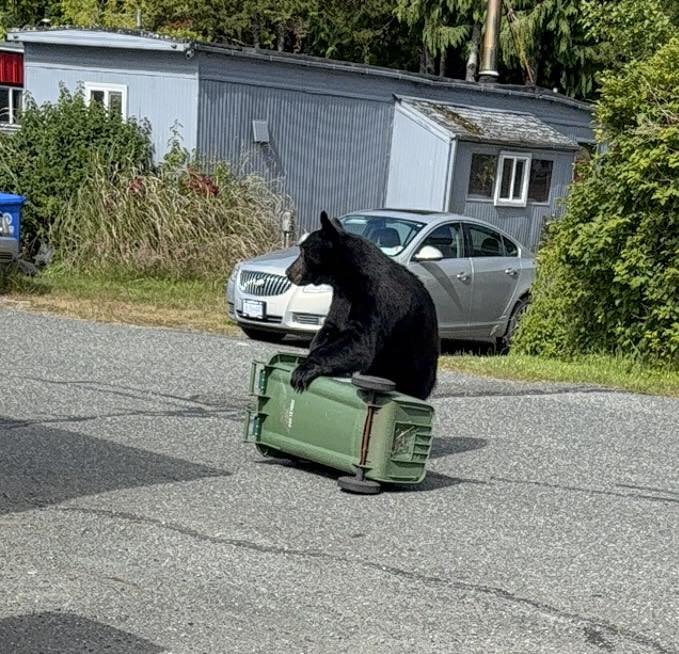
The City is committed to listening to the feedback received, acknowledging the concerns and aspirations expressed by residents regarding City of Powell River Wildlife Attractant Bylaw 2822, 2026, and providing feedback on the how the public input received influenced the recommended/revised Bylaw presented to Council.
FINDING A BALANCE - WHY THE BYLAW WAS DRAFTED
We live within a community and environment where co-existence with nature and wildlife, including dangerous animals, is an everyday activity. Effective wildlife attractant management helps mitigate risks to public safety, pets and livestock, agricultural activity, and property, while also reducing public nuisance complaints and preventing avoidable, human-caused loss of wildlife.
The City recognizes the importance of composting, food security, urban agriculture, organics and waste diversion, and responsible stewardship practices, and is looking to support those activities while reducing human-wildlife conflict. The aim of the draft Bylaw is not to restrict actions or discourage responsible waste reduction and urban agriculture strategies, but to mitigate the risk of attracting dangerous wildlife by promoting behaviours which prevent bears and other wildlife from accessing and becoming reliant on human food sources in the community.
The draft Bylaw offers a balanced approach, in that care has been taken to ensure wording of the bylaw allows for flexibility, to enable residents some latitude in compliance and to support sustainable land stewardship, while also providing Bylaw Enforcement staff the tools to exercise appropriate discretion in seeking compliance.
SUMMARY OF WILDLIFE ATTRACTANT BYLAW 2822, 2026
The City of Powell River Wildlife Attractant Bylaw 2822, 2026 outlines municipal regulations designed to minimize human-wildlife conflict and protect public safety by preventing wildlife from accessing human food sources and other attractants.
1. General Regulations
The bylaw establishes strict rules regarding how property owners, occupants, and event managers must handle materials that attract wildlife, which includes dangerous wildlife like bears, cougars, and wolves, as well as raccoons, deer, birds, and rodents.
- Feeding of Wildlife: Feeding or attracting wildlife is prohibited, subject to mitigation strategies such as the examples noted below under Property Maintenance.
- Property Maintenance: Property owners and occupants must maintain their properties to mitigate wildlife attraction. This includes:
Promptly collecting fallen fruit from trees.
Hanging bird feeders securely on cables so they are inaccessible to non-bird wildlife, and keeping the ground underneath clean.
Keeping barbecues clean of food residue and grease.
Locking or securing outdoor refrigerators, freezers, and storage containers.
Managing compost, grease, beehives, and live animals/pets in a manner that prevents attracting wildlife.
Bringing home-delivered items indoors as soon as possible.
Waste Storage: Except during designated collection hours, Solid Waste Carts containing Wildlife Attractants must be stored on private property within a Wildlife Resistant Enclosure (such as inside the basement of a home, or in a garage or accessory building). If it's not possible to store Solid Waste Carts within a Wildlife Resistant Enclosure, then carts must be stored securely, clean and empty of all Wildlife Attractants, against a rear/side wall between collection days.
Active Construction and Special Events: These sites are exempt from standard storage rules but must ensure all attractants are appropriately disposed of or stored in a designated Wildlife Resistant Enclosure at the end of each day. Managers may also be required to submit a wildlife attractant management plan.
2. Administration and Enforcement
The City approaches enforcement with a blend of education and risk assessment:
Prioritization: Enforcement efforts will prioritize high-risk attractants, like unsecured garbage, grease, and meat/fish waste, that pose the highest threat to public safety or animal habituation.
Compliance Strategy: In alignment with Council policy, the City will prioritize voluntary compliance through education, notices, and remediation timelines before issuing penalties. However, immediate enforcement can be taken if an attractant presents a significant safety risk.
Right of Entry: Bylaw Enforcement Officers have the right to enter onto properties at reasonable times to check for compliance, and interference with an officer is prohibited.
3. Penalties
Each day a violation continues counts as a separate offense or contravention.
Violators may face penalties or fines under the Offence Act or the new Bylaw Notice Enforcement Bylaw (launching soon).
Serious infractions may also be enforced by the Conservation Officer under the Wildlife Attractant Bylaw or under the Wildlife Act.
For the complete Draft Bylaw, please see Documents section on the right.
IF IT SMELLS, IT'S A DINNER BELL
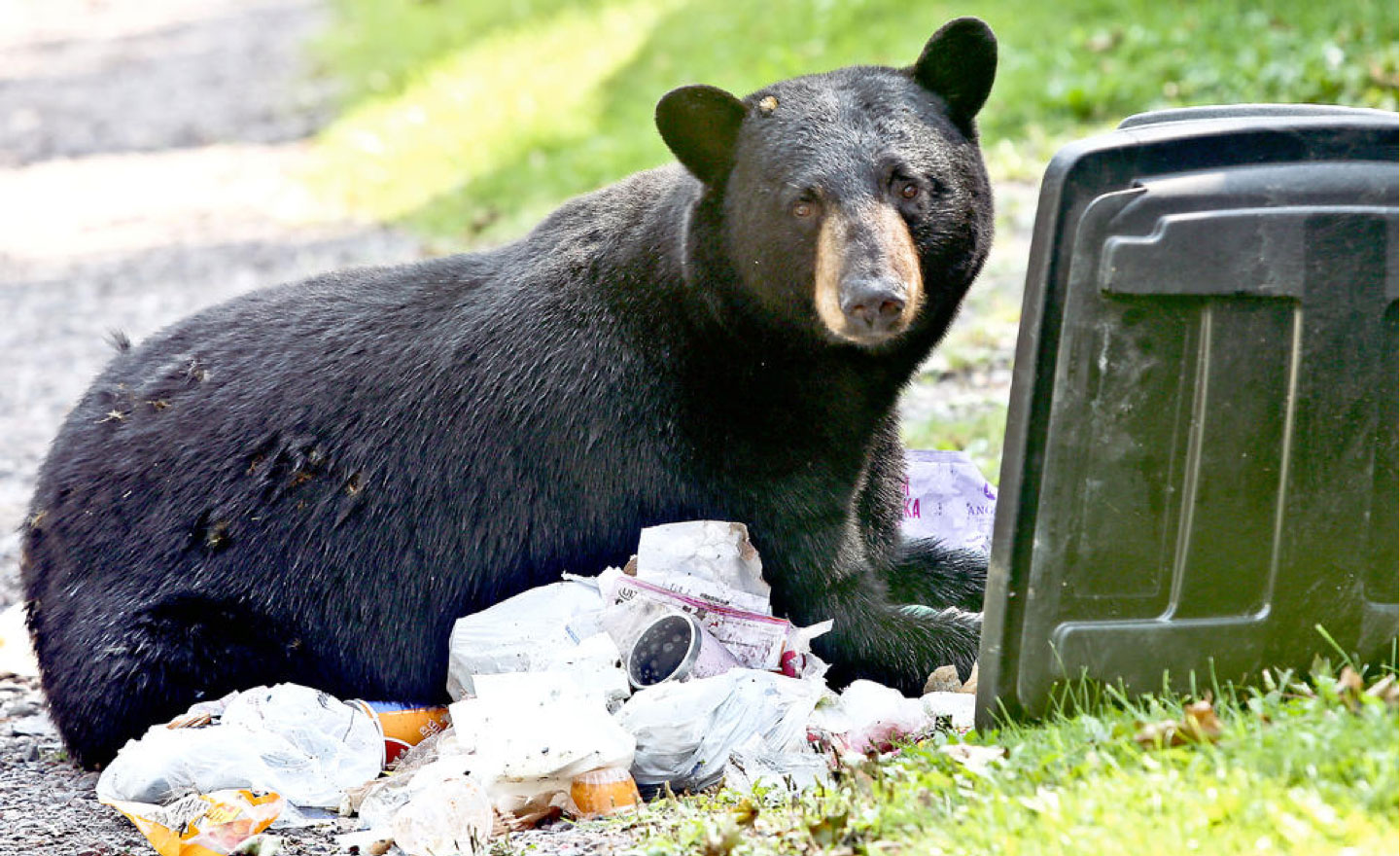 Black Bears
By far the most critical management concern in the area, black bears possess an incredibly keen sense of smell.
Primary Attractants: Unsecured household garbage, unmanaged compost (especially meat, dairy, or oils), uncleaned barbecue grease traps, fruit trees.
The Risk: Once they become food-conditioned to associate humans with an easy meal, they lose their natural fear, leading to potential human-wildlife conflict.
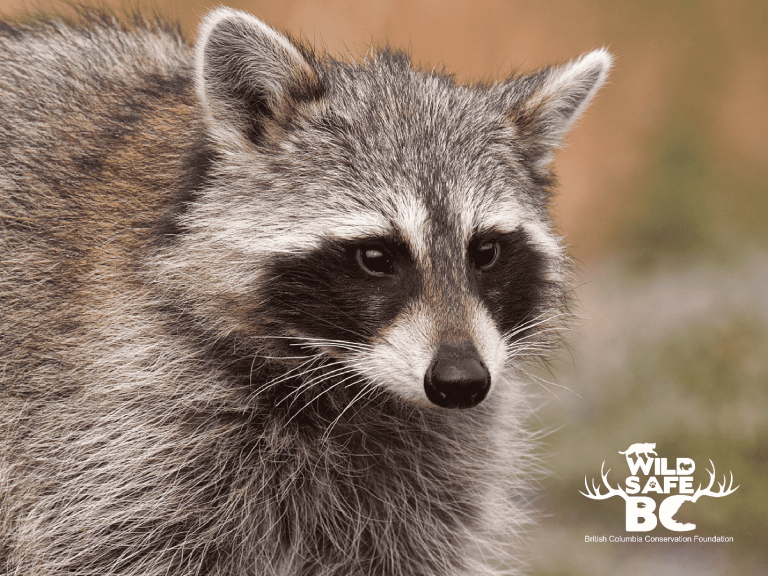 Raccoons
Primary Attractants: Garbage, organics, and recycling bins are easily pried open, outdoor pet food bowls, and accessible compost bins.
The Risk: Beyond knocking over bins and creating messes, they'll nest nearby, under decks, crawl spaces, or attics. Raccoons are known to carry diseases like rabies and may attack if they feel threatened or are protecting a food source.
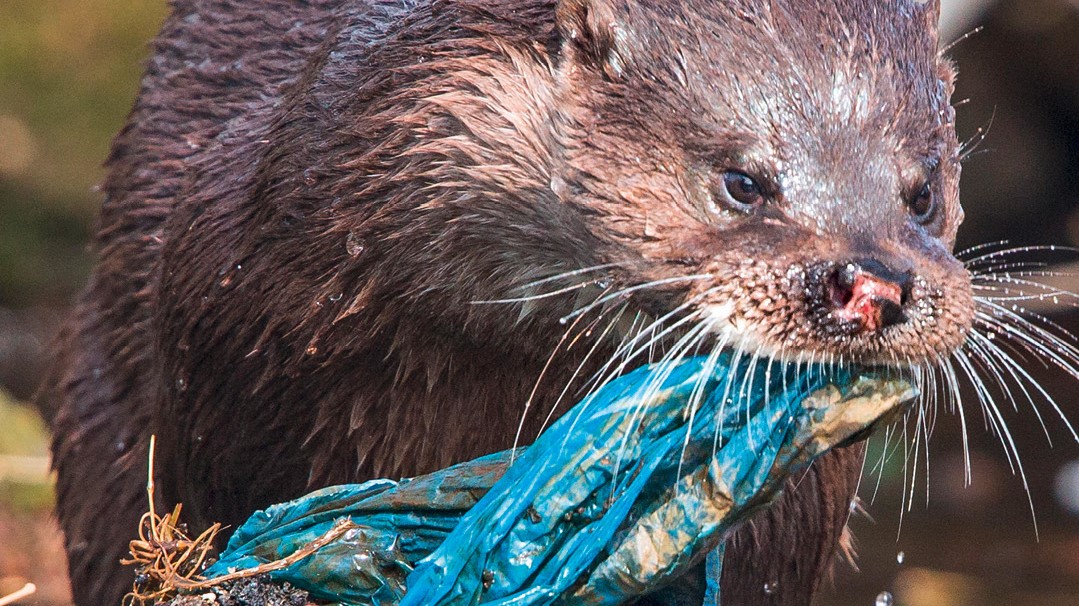
Otters
Particularly around waterfront stretches like Grief Point.
Primary Attractants: Discarded fish offal, organics bins smelling of seafood.
The Risk: They can be aggressive and leave behind highly stinky messes on docks, decks, and marine properties.
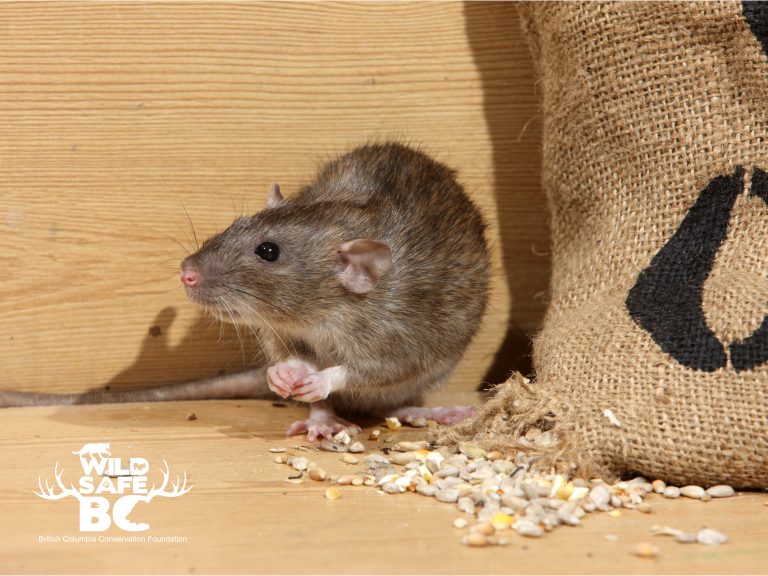 Rats and Small Rodents
Rats thrive wherever human waste is poorly managed.
Primary Attractants: Spilled seed beneath backyard bird feeders, open compost piles, and pet waste.
The Risk: Once a breeding population is established outdoors due to a steady food supply, they inevitably attempt to chew their way into homes and outbuildings.
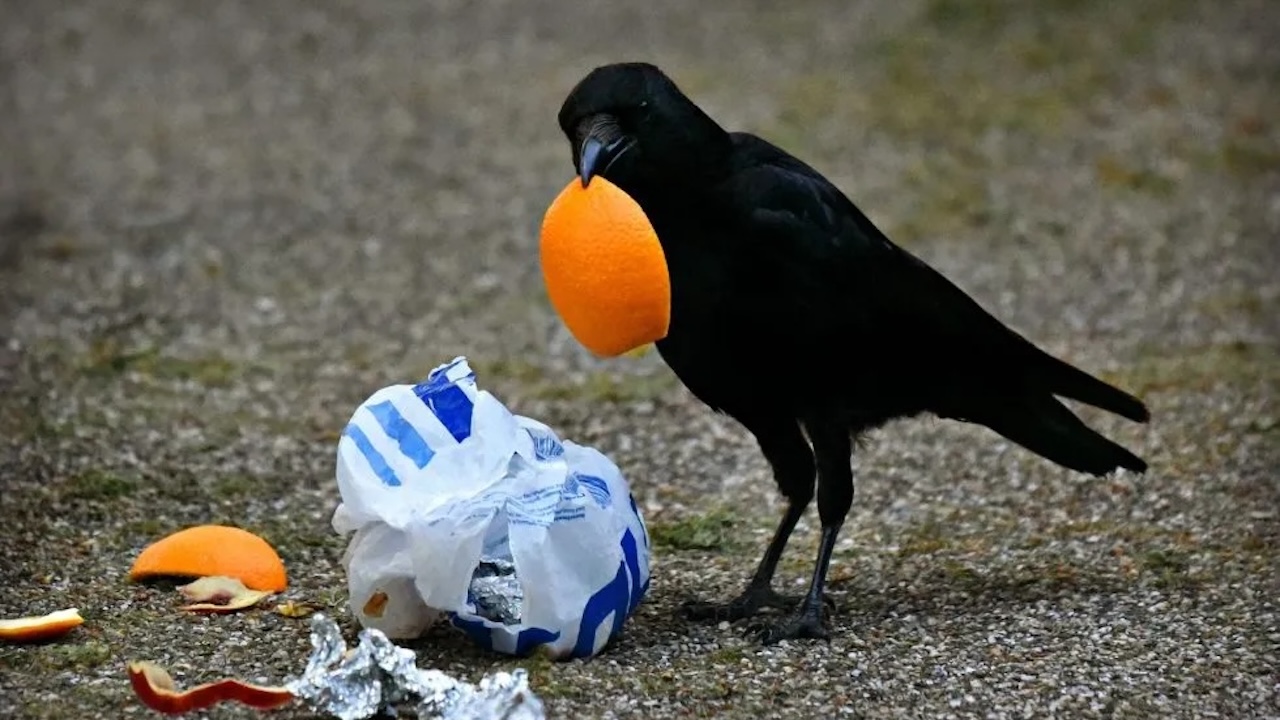
Crows
Primary Attractants: Unsecured trash cans, outdoor pet food bowls, open compost piles containing food scraps, and readily accessible fruit trees or gardens.
The Risk: Once a family group or roost establishes a presence due to a reliable food supply, they will aggressively defend the territory, mob native songbirds, and use their high intelligence to tear open trash bags, damage property, or tear up lawns looking for grubs.

-
PD
-

Email dbrindle@powellriver.ca